


Energy consumption is linked direct to economic activity. According to Eurostat the most significant drop in European energy consumption – 5.8% – occurred in 2009 and is attributed by the agency “to a lower level of economic activity as a result of the global financial and economic crisis”, although in general the consumption of energy continues to grow […]
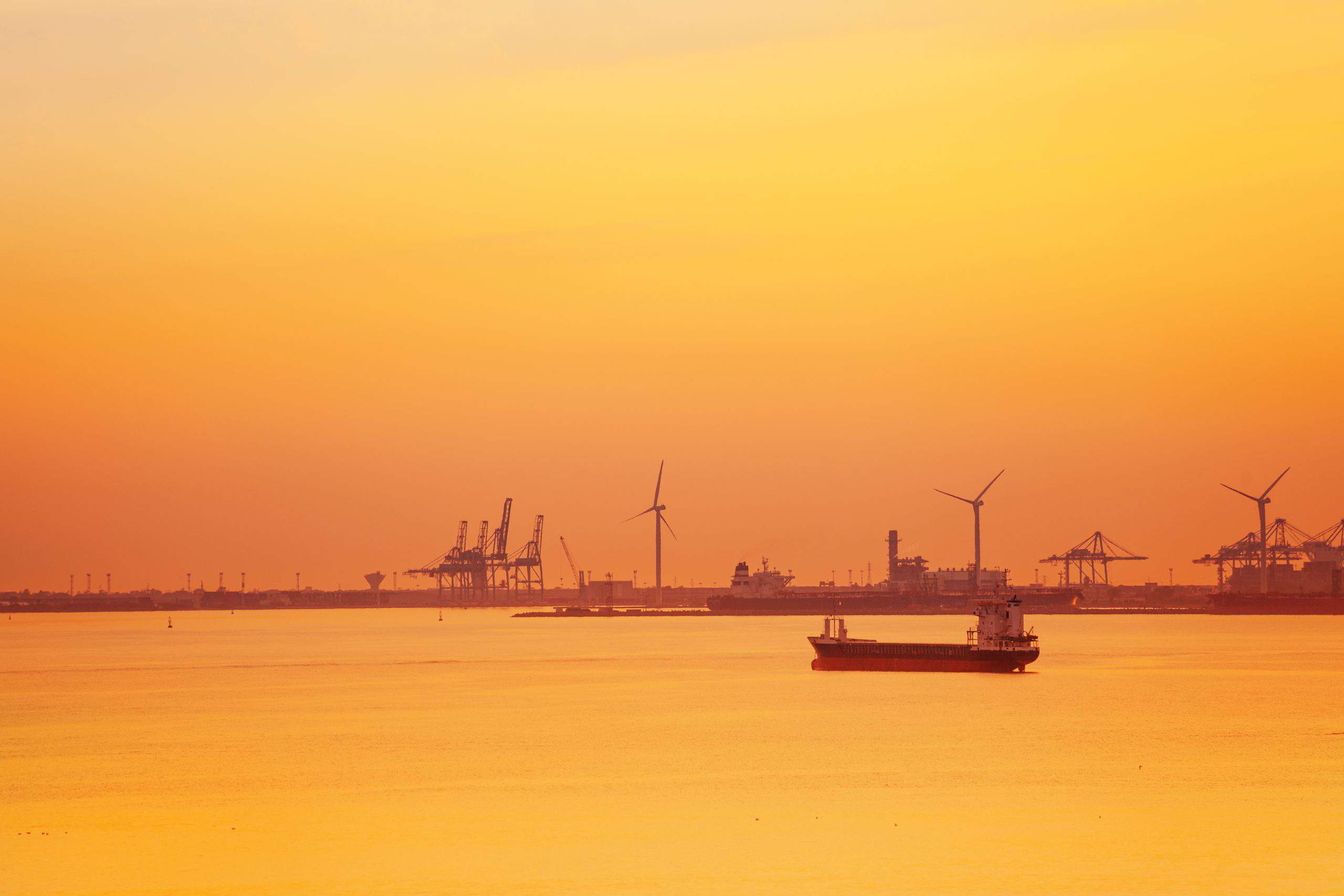
A key factor in current gas policy is the fight for the European gas market, which is becoming increasingly politicized. It is very evident that this market requires substantial re-structuring, linked to the consequences of American sanctions policy and changes in the system of gas transport routes, even if not all the transport options announced […]

German politicians’ faint hopes that the administration of new US president Joe Biden would replace wrath with favour have been dashed by an icy Transatlantic reality. Washington continues to take an intransigent stance and threaten European participants in the project with sanctions. But Berlin is still trying to withstand the pressure and save face, by […]

Earlier this year the US energy major Exxon Mobil officially announced its intention to sell its 50% share in the Neptun Deep offshore project located on the Romanian Black Sea shelf. Although rumours of a sale had circulated since November 2019, no serious buyer has yet come forward. And here is why. Export issue still […]

At the end of October, Denmark simultaneously approved the construction of two gas transit initiatives: Nord Stream 2 – over which intercontinental passions have raged – and the Danish–Polish Baltic Pipe gas pipeline, which for a long time attracted little attention, remaining virtually off the radar, and was authorized earlier than the Russian pipeline.

The creation of a consortium for building the Trans-Caspian Gas Pipeline (TGP) made up of Edison Technologies, MMEC Mannesmann, Air Liquid Global E&C Solution, and the SINOPEC Engineering Group was announced in August 2019. Analysts believe, however, that the likelihood of the plans announced by the consortium being achieved are minimal due to a current lack of the necessary political, legal, financial and economic conditions for the project.
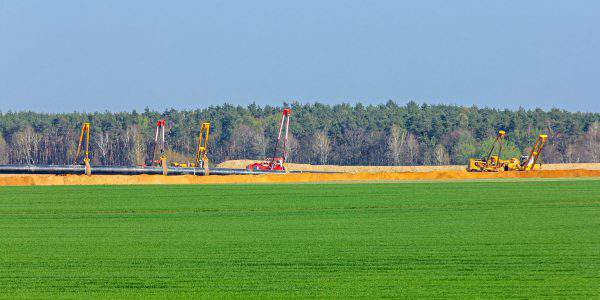
n September 2019 the European Court of Justice overruled a decision previously made by the EU, forcing Gazprom to limit its use of the Opal pipeline to only 50% of its 36 billion cubic metres (bcm) annual capacity.

The Polish government has announced its intention to end its dependence on Russian gas. Its current contract with Gazprom expires in 2022 and Polish decision makers insist they will not extend it further. Under the terms of the contract, Poland currently imports a minimum of 8.5 billion cubic metres (bcm) of natural gas per year from Russia.
Since the natural gas crisis in 2009 at least, special attention has been given to energy security in the countries of central and eastern Europe. When the dispute between Ukraine and Russia finally developed into open conflict in 2014, concerns over future developments in the energy and utilities sector in the region reached new highs. […]
The situation around projects linked to gas supplies from the eastern Mediterranean to Europe is generally developing in keeping with the conservative predictions of many specialists. This is connected to both economic and political aspects of the emerging situation. These include the status of the Turkish Republic of Northern Cyprus (TRNC); the unresolved dispute about Lebanon’s […]
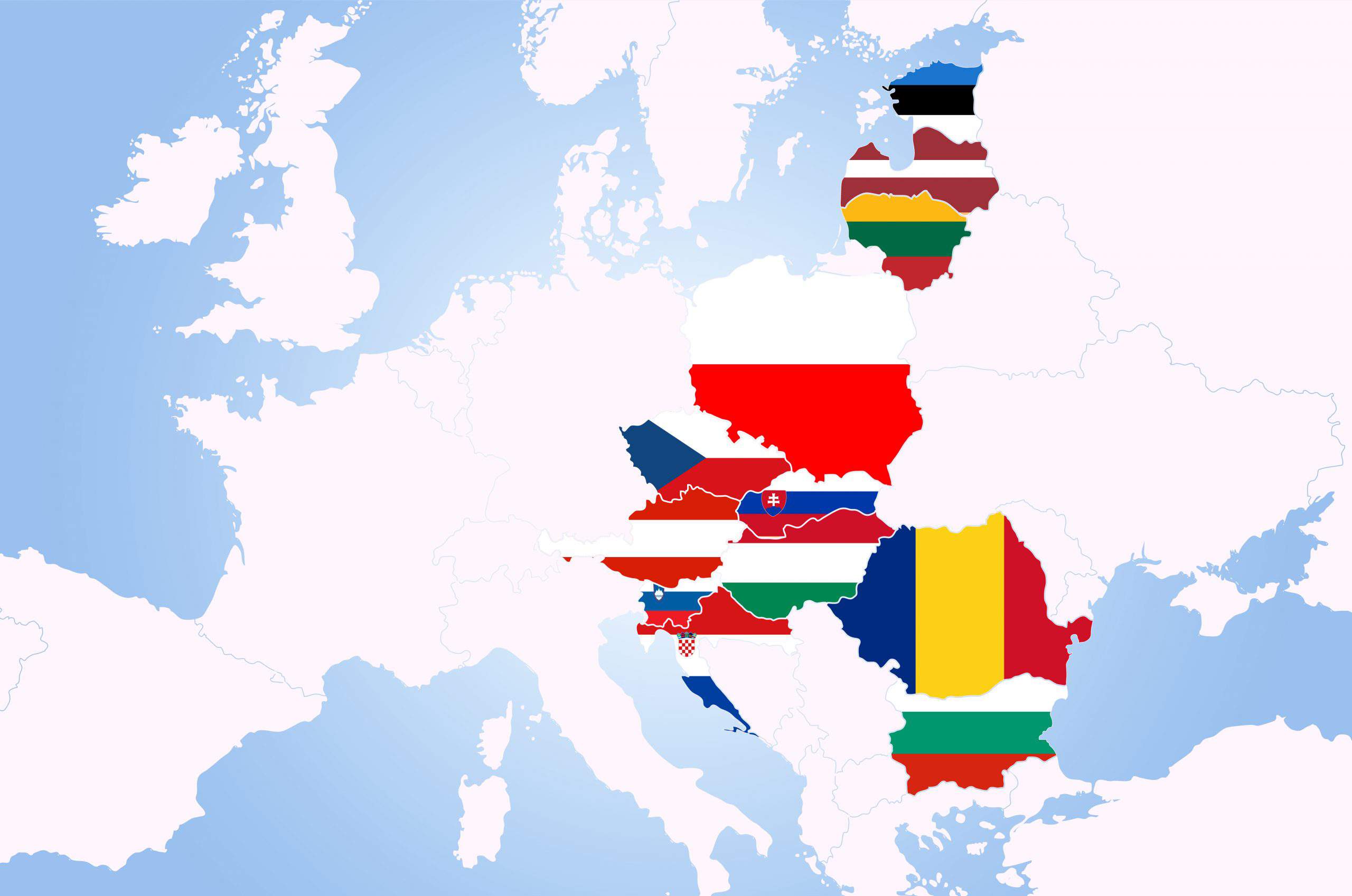
Maintaining the dynamic development of its national economy, Poland is becoming one of the most active players in European affairs. If Warsaw’s activity was previously seen mainly in the political and military spheres then recently, against a backdrop of growing trade and general economic contradictions between America and Europe, it is also aiming to make […]

A visitor from a major European city who recently visited Baku on business was unpleasantly surprised by the customs that hold sway in the bazaars, or markets, of the Azerbaijani capital: a local market trader quoted such a good price for some of Baku’s famously tasty tomatoes that the visitor simply could not resist the […]

European gas production will continue to fall, according to the latest forecasts from the International Energy Agency (IEA). By 2024, analysts expect European output, including Norway’s, to drop by as much as 48 billion cubic metres (bcm) to just 202 bcm. At the same time, the demand for natural gas will continue to grow. According […]

At present there is a sense that the situation regarding LNG supplies to the European market appears favourable. A growing number of players are capable of supplying LNG to the market in stable and predictable quantities; the LNG trading system has shown relatively high flexibility and price adaptability in recent years, although the gain in […]

'/%3E%3C/svg%3E)
