


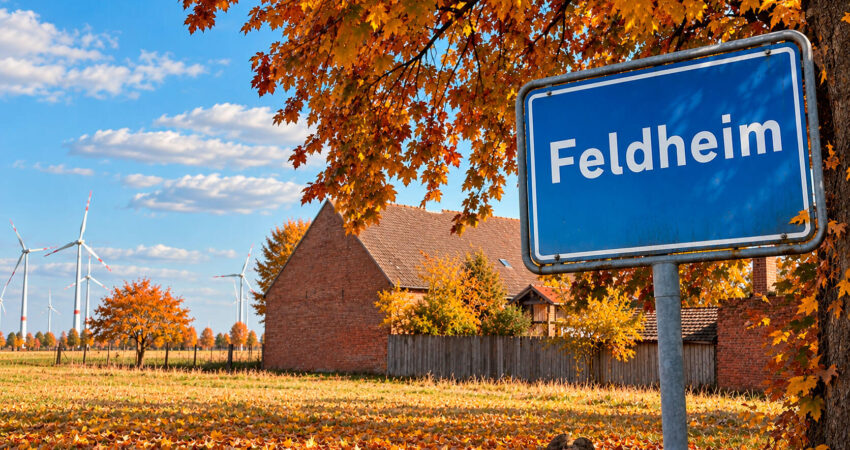
Europe’s energy transition is no longer just about building wind turbines and solar farms. The challenge now is to connect electricity, heat and storage – and to decide who owns the infrastructure and who benefits from it. Feldheim found practical answers to these questions remarkably early. Around 80 kilometres south-west of Berlin lies a […]
Renewables
Extreme heat is exposing a new energy-security risk: demand for cooling rises just as hydro, wind, nuclear and thermal generation come under pressure. Solar helps during the day, but the hardest hours begin after sunset. This summer, Europe was already longing for autumn. Since late May, successive heatwaves had brought punishing temperatures across the […]
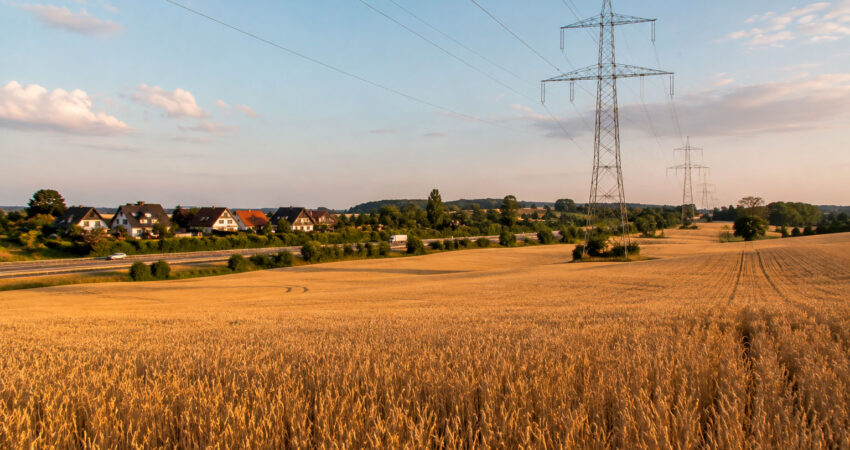
Germany’s renewable-energy surge in the first half of 2026 is no longer just a climate story. It is increasingly reshaping the economics, security and operating logic of the country’s power system. Renewable energy covered 58 percent of Germany’s gross electricity consumption between January and June, according to preliminary calculations by the Centre for Solar Energy […]
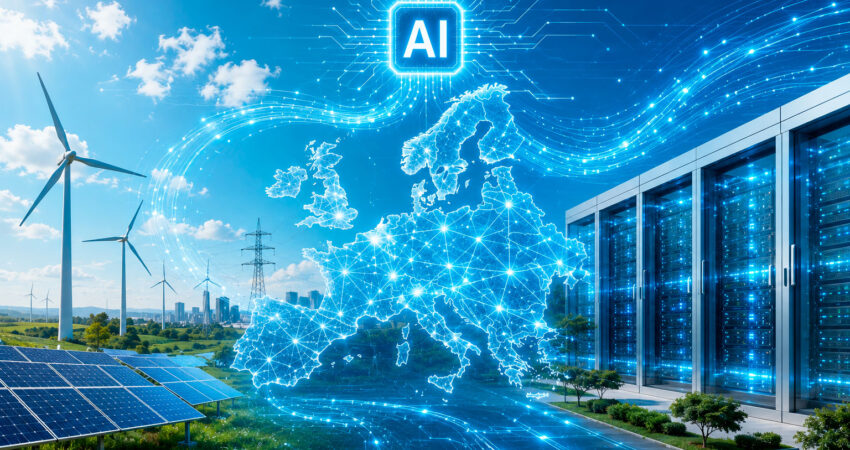
Europe is turning to artificial intelligence to manage the next stage of its energy transition. AI is expected to help integrate more renewable power, ease grid congestion and unlock demand-side flexibility – but the rapid growth of data centres is also creating a new challenge for Europe’s electricity networks. The European energy system is […]
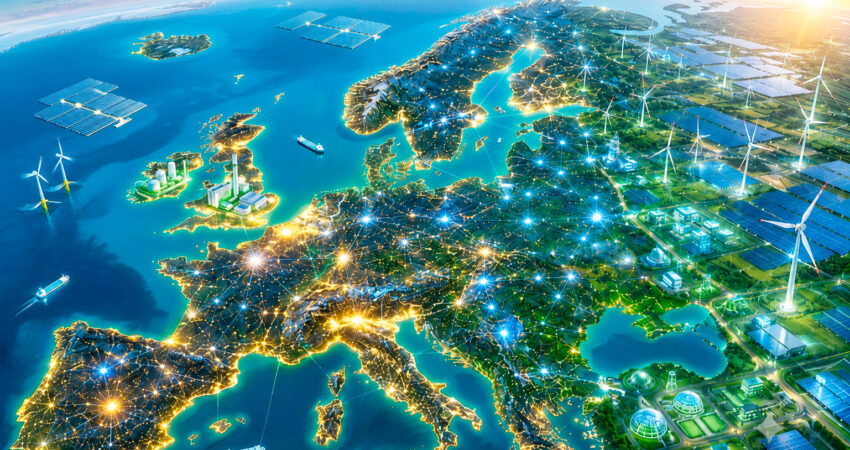
Europe is being urged to become the first “electro-continent,” with a 50% electrification goal for 2040. The Commission wants to raise electricity’s share of final energy consumption from roughly 23% today to 50%, while renewables already supply 47.5% of the EU’s gross electricity consumption. Hitting that goal will still require cheaper power, major grid upgrades, […]
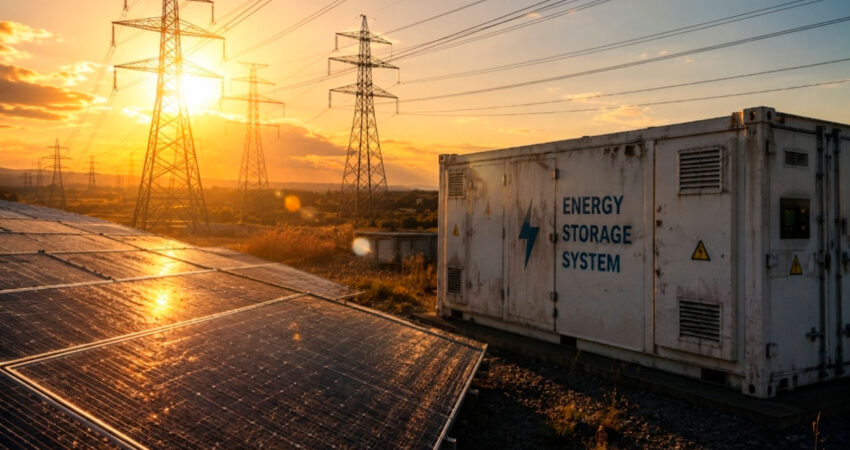
The European energy transition has entered a new, challenging phase. For a long time, one question took centre stage: how quickly can coal, oil and gas be replaced by renewable energy? Now, a second, more complex problem is coming to the fore. Europe is producing ever more electricity from wind and solar power – but […]
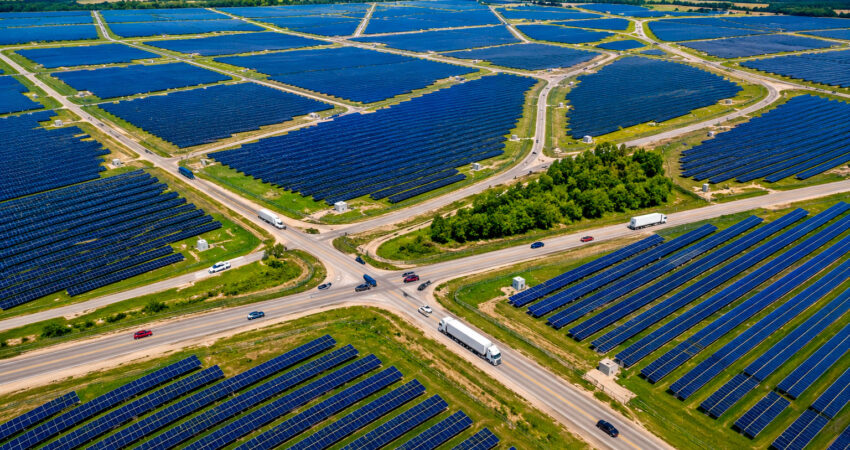
The European renewable energy market is entering a new phase. While the number of solar and wind power facilities built has been the key indicator of the energy transition in recent years, the ability of these facilities to operate within an overloaded and volatile power grid is now playing an increasingly important role. Against this […]
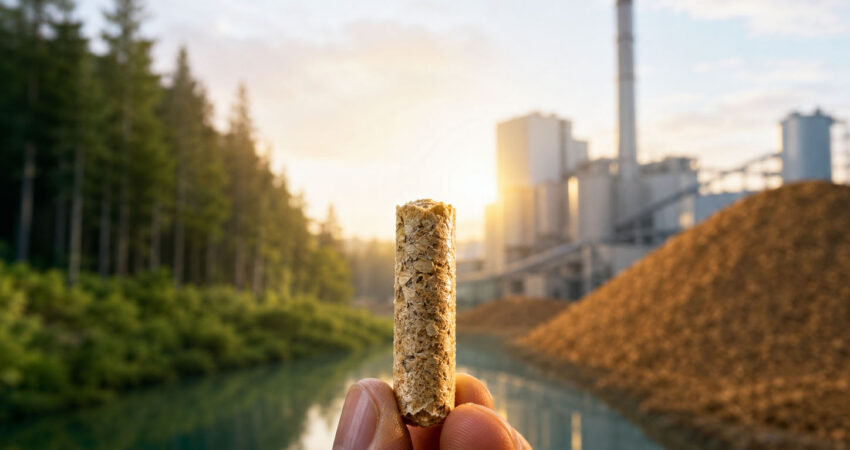
Europe’s wood pellet industry became a central part of the EU’s move away from coal, but its future is now under pressure from tougher sustainability rules, political scrutiny, and doubts about its climate benefits. As Europe tightens biomass standards after 2027, the future of wood pellets may depend on proving they are truly green. […]
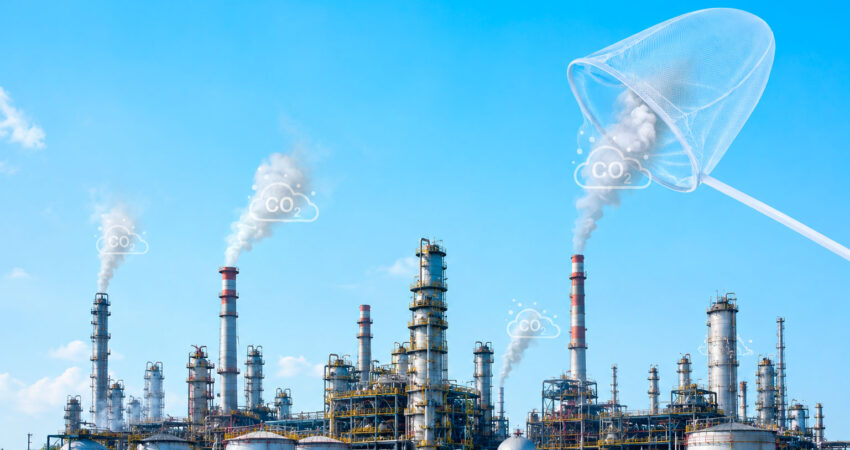
Europe is betting billions on carbon capture technology as it races toward climate neutrality by 2050. From Norway’s offshore storage hubs to industrial CO₂ networks in Rotterdam, CCS is rapidly moving from pilot phase to strategic infrastructure – despite high costs, regulatory hurdles and growing scepticism. A growing role in Europe’s climate strategy Europe’s path […]
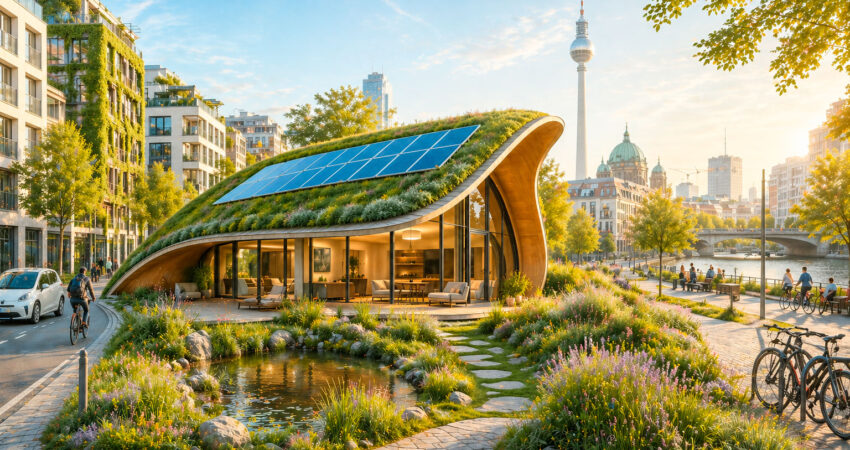
Europe’s energy transition is being shaped not only by wind farms and solar parks, but also by homes, schools and office buildings. Going forward, modern homes are expected to consume less energy, generate their own electricity and store energy, making households less dependent on gas prices. In Germany, the government can subsidise the replacement of […]
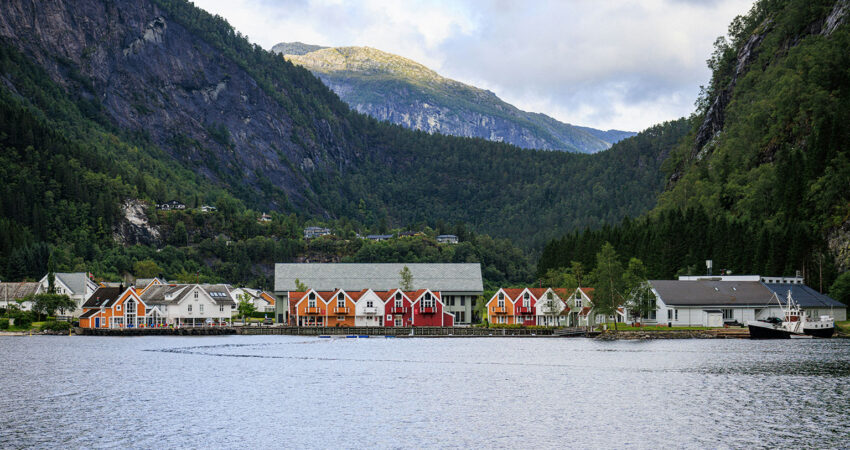
Norway has everything Europe seems to need for a greener energy future: vast hydropower, strong political ties, and direct electricity links to the continent. But behind that promise stand major obstacles – from a weak domestic grid to the lasting pull of oil and gas revenues. Europe is counting on Norway’s clean power – but […]