


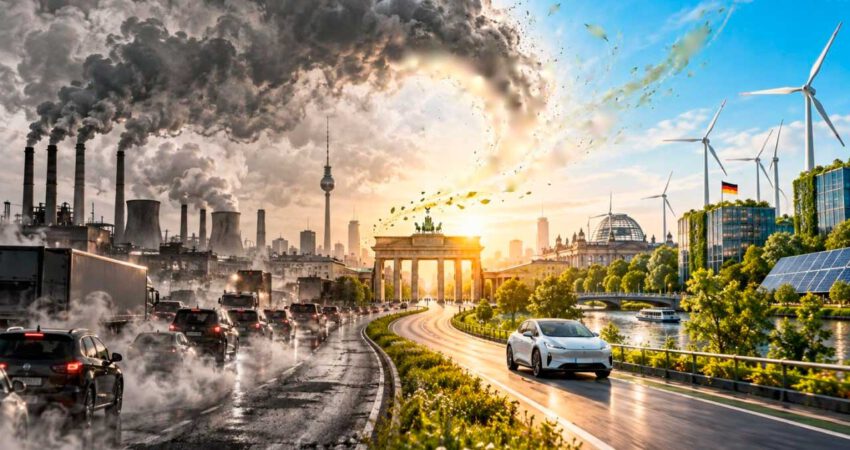
Germany’s route to climate neutrality promises greater energy security, but requires trillions of euros in investment. The challenge is to finance the transformation without pricing households out of it or weakening the industries expected to deliver it. Germany presented its roadmap for transitioning away from fossil fuels at the United Nations in New York […]
Economy
The G7 has agreed to coordinate the release of 100 million barrels of oil and fuel stocks through the International Energy Agency over four months, taking account of earlier commitments. It has not specified how much of that total represents newly pledged supply. US President Donald Trump has since said he will not authorise a […]
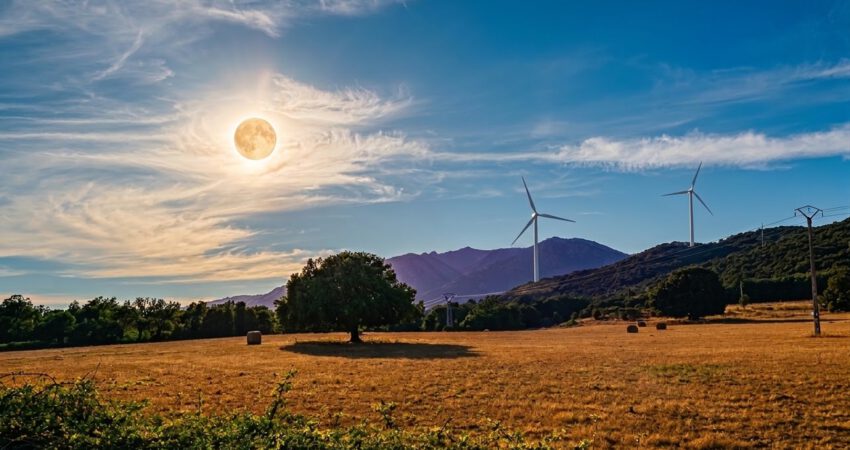
WindEurope expects Europe to install around 24 gigawatts of new wind power capacity in 2026, putting the continent on course for a record year. Strong growth in the first half of the year, new offshore connections and Germany’s position as the largest market underpin the forecast. Whether this translates into a lasting increase in annual […]
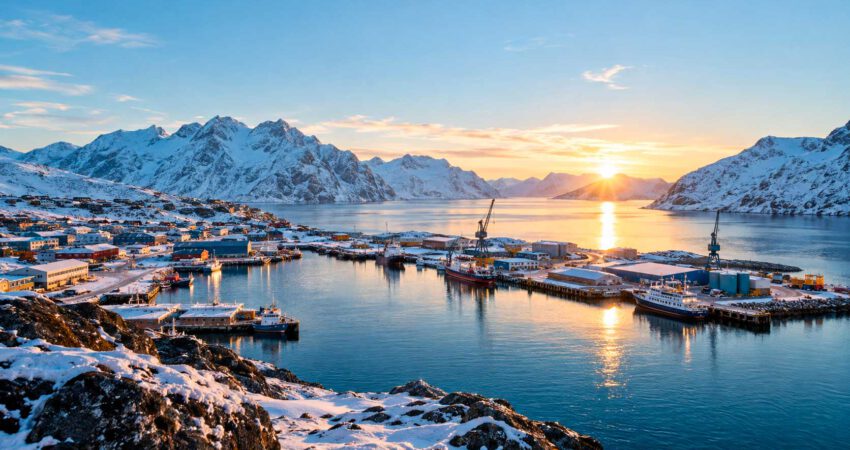
The Arctic is becoming a test case for Europe’s energy policy. The region has substantial oil and gas potential, as well as critical raw materials and renewable energy resources for the energy transition. At the European Arctic Summit in Rovaniemi, it became clear that Europe wants not only to strengthen its security in the far […]
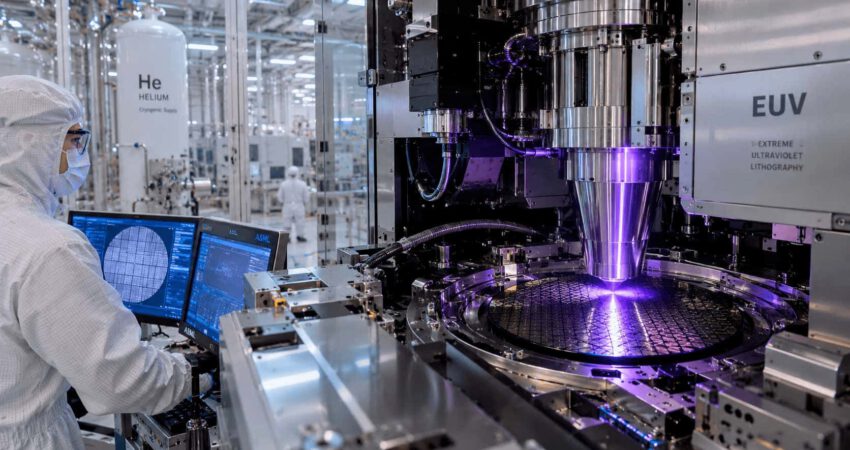
Helium is essential to advanced chipmaking, yet its supply depends on gas-processing plants, cryogenic containers and vulnerable sea routes. Even if normal shipping through Hormuz resumes, producers and semiconductor manufacturers will face a slower, more expensive recovery. The artificial intelligence boom depends on some of the world’s most advanced semiconductor factories. Those factories, in […]
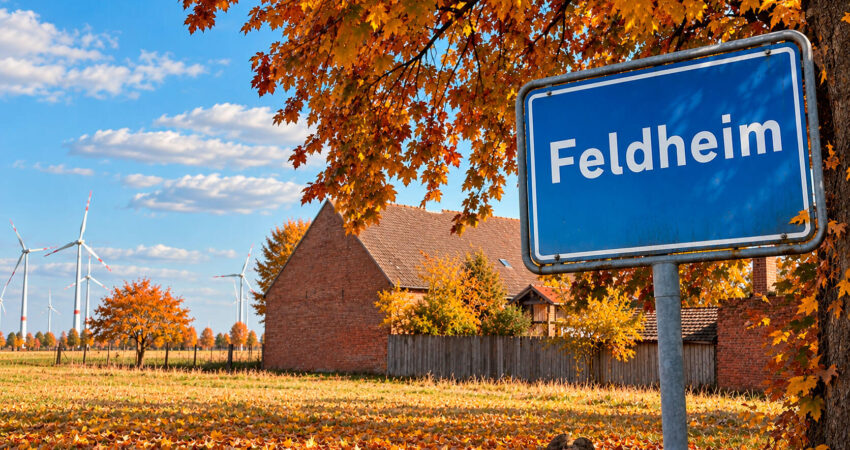
Europe’s energy transition is no longer just about building wind turbines and solar farms. The challenge now is to connect electricity, heat and storage – and to decide who owns the infrastructure and who benefits from it. Feldheim found practical answers to these questions remarkably early. Around 80 kilometres south-west of Berlin lies a […]
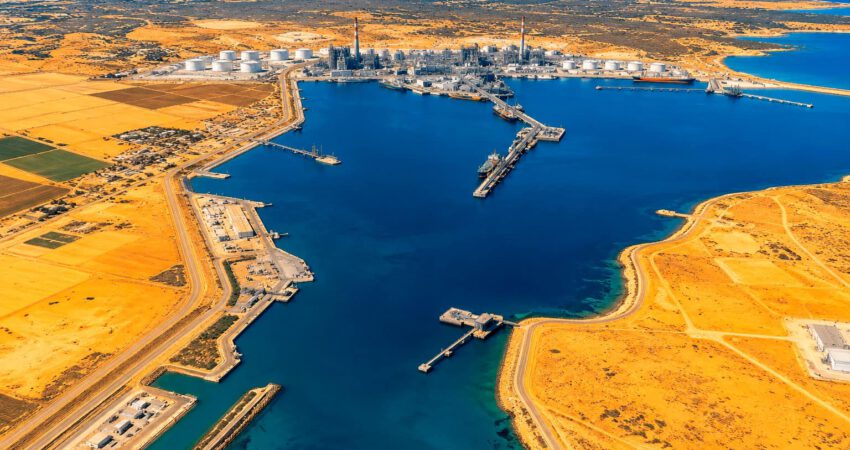
Europe is redrawing its energy map around the Mediterranean. With the EU aiming to mobilise €25 billion in investment by 2035, pipelines, LNG terminals and new energy links are bringing North Africa, the Eastern Mediterranean and Southern Europe into an increasingly interconnected energy system. Following the 2022 energy crisis, the Mediterranean is gradually returning […]
Extreme heat is exposing a new energy-security risk: demand for cooling rises just as hydro, wind, nuclear and thermal generation come under pressure. Solar helps during the day, but the hardest hours begin after sunset. This summer, Europe was already longing for autumn. Since late May, successive heatwaves had brought punishing temperatures across the […]
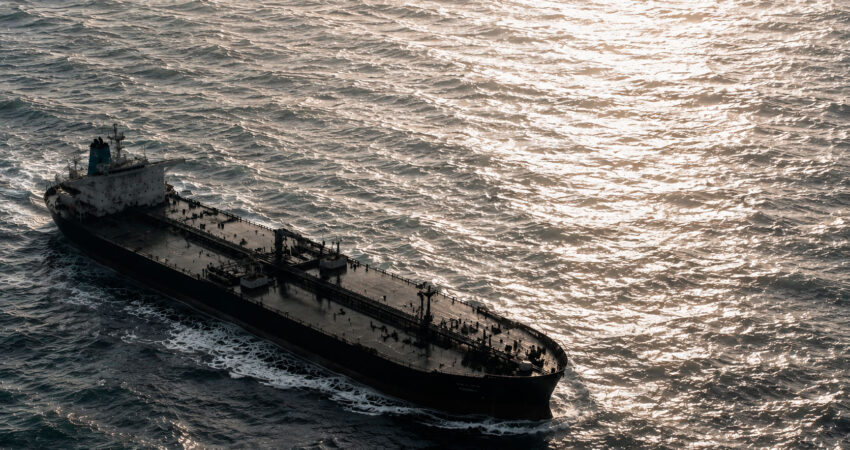
The crisis in the Strait of Hormuz is accelerating a fundamental shift in Middle East oil infrastructure. From Iraq and Syria to Saudi Arabia and the UAE, producers are developing alternative export routes that could reduce their dependence on one of the world’s most critical energy chokepoints. Before the war, more than 20 million […]
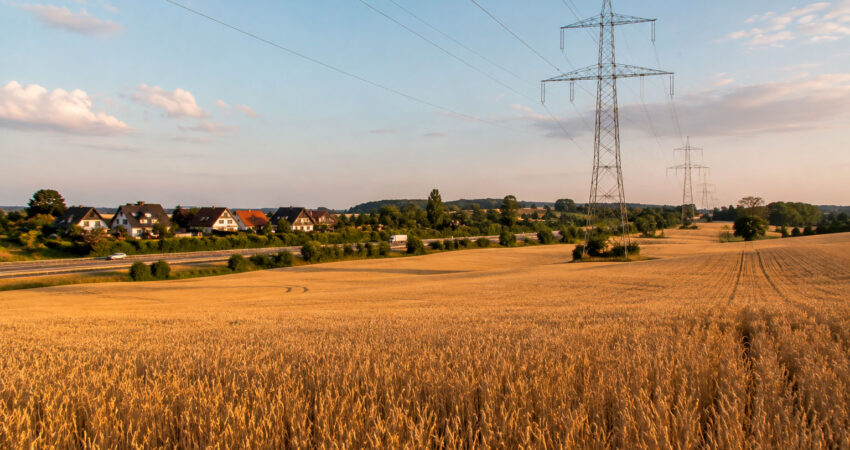
Germany’s renewable-energy surge in the first half of 2026 is no longer just a climate story. It is increasingly reshaping the economics, security and operating logic of the country’s power system. Renewable energy covered 58 percent of Germany’s gross electricity consumption between January and June, according to preliminary calculations by the Centre for Solar Energy […]
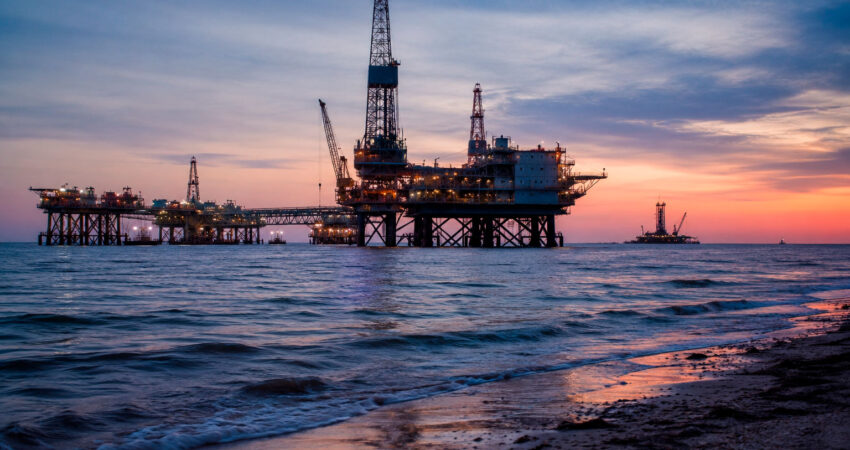
Berlin is opening up an additional route for gas and oil from the Caspian region and, in the longer term, for green electricity and hydrogen. For Germany, this offers a way to strengthen supplies to industry, create new business opportunities and make the European energy market more resilient. Berlin and Baku Expand Their Energy […]