


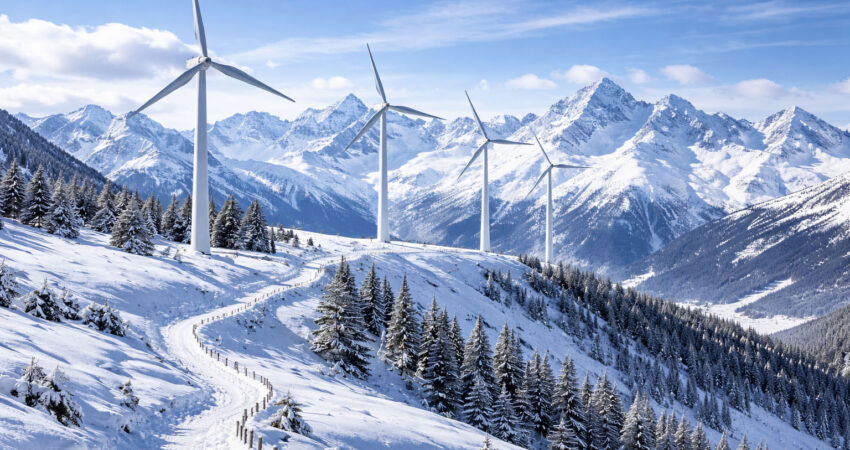
As Europe moves deeper into the winter of 2025-2026, the continent’s energy system reflects a transformation shaped by cooperation, investment, and strategic foresight. Technically, electricity and gas supplies are broadly secure across the Union. Economically, markets remain sensitive to global conditions but they are now operating within a framework that is more diversified, more connected, […]
Economy
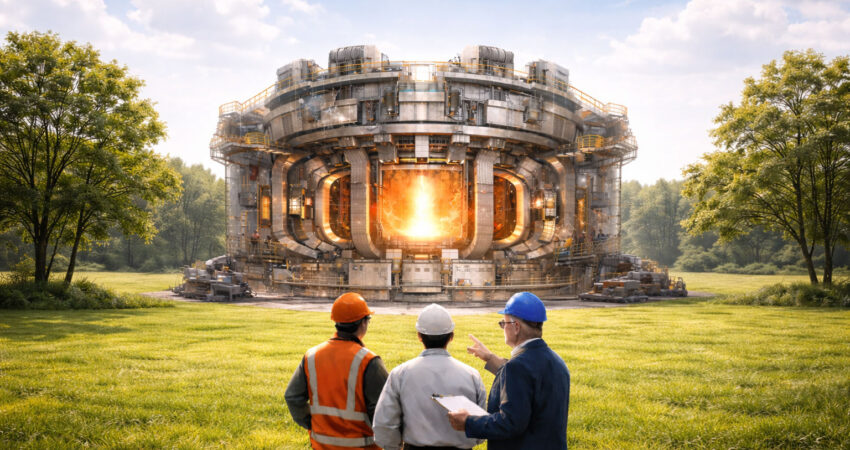
For decades, the International Thermonuclear Experimental Reactor (ITER) has carried a promise that sounds almost mythic: to build a machine on Earth that can safely and controllably reproduce the physics of the Sun at an industrial scale. Hosted in Cadarache in southern France, the project is still the largest fusion experiment ever attempted and remains […]
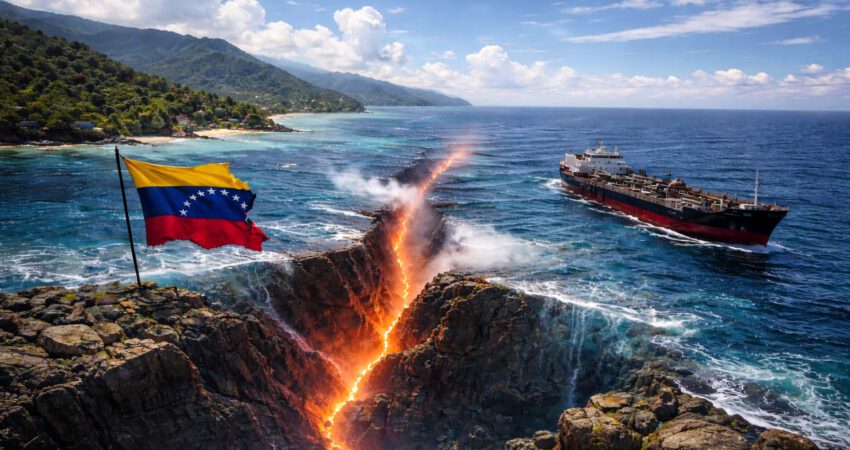
Venezuela’s recent political upheaval has triggered renewed attention in global energy markets, but oil prices remain muted, with Brent crude trading around $60 per barrel. According to analysts, this muted reaction reflects broader supply conditions rather than a lack of concern about Venezuelan instability. Political Earthquake, Limited Price Reaction The U.S. military’s operation to capture […]

For some time, Azerbaijan has been seen as one of Brussels’ allies in its efforts to diversify energy imports. However, the situation appears to have stalled, with multiple factors converging to limit the participation of Azeri gas in the European energy mix. In this article, we assess the potential of this partnership. The grand plans […]
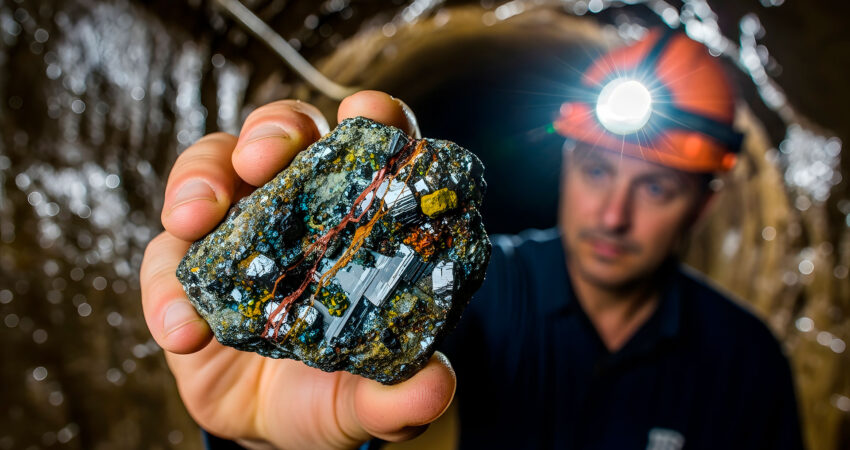
Europe had grown used to living from winter to winter. Once gas storage facilities were filled and January passed, survival was assured. When Europe finally turned the page on Russian gas in 2023–2024, it felt like a victory—an escape from the worst kind of dependence. But the celebration was short-lived. At that very moment, Europe […]
Europe is facing new challenges in the energy sector that are fundamentally reshaping its strategy. The pivotal decision to abandon energy supplies from Russia opens the door to a deeper transatlantic partnership. The US is emerging as a confident leader in liquefied natural gas (LNG) supply and is ready to provide reliable, long-term exports. For […]
This November, COP30 convened in Belém, Brazil — marking a historic milestone as the first COP summit to place artificial intelligence (AI) and data-driven technologies at the heart of its agenda. While traditional disputes, such as those surrounding fossil fuel use, once again stalled negotiations over the final political agreement, AI emerged as a rare […]

The prospect of reviving the Nord Stream 2 pipeline has been emerging since the very start of the new US administration, both behind the scenes at senior intergovernmental levels and on the ground in Germany. In this article we will look into the rumours, to assess whether Nord Stream 2 can be revived. The Nord […]

From January to November 2024, despite the conflict in Ukraine, EU countries spent a record €6.3 billion on Russian gas, 18% higher than in 2023. This trend has continued in 2025: in February, the EU bought around 74.3 million cubic meters of LNG from Russia every day, 11% higher than in the same period in […]
The EU has decided to expand its list of sanctioned goods and add a ban on liquefied petroleum gas (LPG) imports from Russia to the already extensive list of foreign trade restrictions. Although Russia’s share of supplies is small, the ban could nevertheless be a destabilising factor for a number of sectors of the European economy.
The energy landscape in Europe is undergoing a profound transformation. The European Union is striving to meet ambitious climate goals, but in the meantime the region’s reliance on cleaner fossil fuels such as liquefied natural gas (LNG) is expected to increase significantly. This article explores the complex dynamics at play, focusing on the intersection of the EU’s green agenda, growing demand for LNG, and the geopolitical challenges that shape Europe’s energy security.